 Skip to content

What is Move My Apartment, and why does it matter
Moving an apartment, whether changing flats in the same city or relocating across cities, involves many tasks: packing, transporting furniture, coordinating logistics, and ensuring minimal stress. A well-organized move can save time and money and prevent damage or loss. This article serves as a one-stop authoritative resource for individuals planning to move their apartment, covering planning, execution, common pitfalls, and best practices.
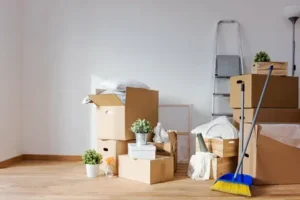
Key Questions About Moving to an Apartment
What should I do before I start packing?
Before packing, survey your apartment thoroughly. List all furniture and items, decide what to keep, sell, donate, or discard, and measure bulky items of furniture to ensure they fit in the new place. Plan a timeline. Book movers, gather packing materials, and notify utility providers or building management. Keep an inventory sheet to help track items and speed up unpacking.
How to pack efficiently to avoid damage?
Use sturdy boxes and padding for fragile items and furniture edges. Label boxes clearly with contents and the destination room. Pack heavy items at the bottom and lighter ones on top. Disassemble large furniture, if possible, and keep essential items such as documents and toiletries in a separate, accessible box.
Should I hire professional movers or do it myself?
Hiring professional movers is recommended when you have heavy furniture, bulky items, or a long-distance relocation. Professionals reduce physical strain, speed up the process, and often provide liability coverage. For small apartments or minimal items, moving yourself with help from friends can work if you have proper packing materials and transport.
How to choose a reliable moving service?
Check online reviews, ask for references, and verify insurance or liability coverage. Confirm the moving date, time, pickup and drop-off addresses, and request a detailed cost estimate. Prefer movers with experienced staff and transparent policies. Always read the fine print, including cancellation, damage, and payment terms.
What are common mistakes people make when moving?
Common mistakes include:
- Underestimating the volume of items, leading to last-minute packing
- Poor labeling, resulting in confusion during unpacking
- Not measuring furniture or checking doorways at the new apartment.
- Hiring unreliable movers can lead to delays or hidden charges.
- Forgetting to update your address and notify service providers
How to make post-move unpacking and setup easier?
Unpack essential items first, such as toiletries, bedding, and kitchen basics. Set up key furniture like your bed and table before smaller items. Use the inventory list to stay organized. Dispose of or recycle packing materials promptly, and update your address with service providers and contacts.
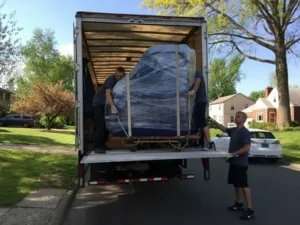
Benefits of Doing the Move Correctly
- Reduced stress and physical strain due to better organization
- Protection of valuables and furniture through proper packing
- Time savings from efficient planning and execution
- Faster adjustment in the new apartment due to better preparation
- Cost savings by avoiding common moving mistakes
Suggested Process: Step-by-Step Moving Plan
- Planning and Inventory: List all items and decide what to keep
- Booking and Scheduling: Contact movers and confirm details
- Packing: Gather materials and pack systematically
- Labeling and Organizing: Label boxes and track contents
- Transport: Load items securely and efficiently
- Unloading and Setup: Unpack essentials and place furniture
- Cleanup and Setup: Dispose of waste and update all addresses
Who Should Follow This Guide
- People moving within the same city.
- Individuals relocating to a different city.
- Students, professionals, or families preparing for residential moves
- Anyone seeking a stress-free and well-planned moving experience
What is the first step in moving my apartment?
Start by creating a detailed inventory of your belongings and a moving timeline.
When should I book a moving company?
Ideally, book at least 3 to 4 weeks in advance to secure your preferred date.
How do I protect fragile items?
Wrap them in bubble wrap or soft cloth and label the boxes as fragile.
Can I move my apartment in one day?
Yes, if it is well-organized and you have enough help or professional movers.
What items should I pack last?
Essentials like toiletries, basic kitchenware, and important documents.
How do I label my boxes effectively?
Write the contents and destination room clearly on each box.
Should I disassemble furniture before moving?
Yes, disassembling large furniture makes it easier and safer to transport.
What should I do when I arrive at my new apartment?
Unpack essentials first, then set up key furniture and update your address.
Is it worth hiring movers for a small apartment?
Yes, especially if you have limited time or heavy items.
How do I avoid losing items during the move?
Keep a checklist, label everything, and supervise the loading and unloading.
Final Thoughts
Moving to an apartment is more than just carrying boxes. It requires planning, organization, and proper execution. By following a structured approach like the one above, inspired by the Koray Framework for semantic topical completeness, you can reduce anxiety, protect your belongings, and enjoy a smoother transition to your new home.
